Sole Trader Accounting Software vs. Traditional Methods
Introduction
Welcome to the great showdown of the century: Sole Trader Accounting Software vs. Traditional Methods! If you’re a solopreneur, small business owner, or freelancer trying to keep your finances in check, you might be wondering which path to take. Should you embrace the shiny, new world of digital tools or stick with the tried-and-true methods that have been around since your grandma’s time?
First off, let’s define what we mean by sole trader accounting software. This nifty digital tool is designed specifically for individuals running their own businesses, providing a suite of features tailored to meet the unique needs of self-employed folks. Think of it as your personal financial assistant that never sleeps (or asks for coffee breaks).
Did you know that using small business accounting software can save you up to 40% more time on bookkeeping compared to traditional methods? Imagine what you could do with all that extra time!
Importance of Accounting for Sole Traders
Accurate accounting is crucial for sole traders-not just for keeping the taxman happy but also for making informed business decisions. With effective financial management tools, you can track cash flow, manage expenses, and ensure compliance with Australian tax regulations. Plus, who doesn’t love the feeling of knowing exactly where their money is going?
Overview of Traditional Accounting Methods
Now, let’s take a stroll down memory lane and explore traditional accounting methods. Picture this: piles of receipts scattered across your desk like confetti after a party. You’ve got pencil-and-paper bookkeeping or maybe spreadsheets that seem more like a puzzle than a financial record. Sure, they work-if you enjoy living on the edge and hoping nothing gets lost in the chaos.
- Pencil-and-paper bookkeeping: Great if you're aiming for nostalgia but not so much for accuracy.
- Spreadsheets: A step up from paper but still requires manual entry and is prone to human error.
- The role of accountants and bookkeepers: Essential if you've got more money than time-but let’s be real, hiring one can be an expense.
In contrast, accounting apps for sole traders offer automated solutions that make managing finances as easy as pie (or should we say avocado toast?). They provide features like invoicing software for freelancers, expense tracking software for self-employed individuals, and even cloud-based accounting solutions that allow you to access your financial data anytime, anywhere.
The choice between traditional methods and modern software isn’t just about preference; it’s about efficiency and effectiveness in managing your business finances. So grab your calculator (or better yet, your smartphone), because we’re diving deeper into how these two approaches stack up against each other!
Understanding Sole Trader Accounting Software
So, what exactly is sole trader accounting software? Imagine having a super-smart sidekick who not only keeps track of your expenses but also helps you stay compliant with tax regulations and gives you insights into your cash flow. Sounds dreamy, right? This software is designed specifically for self-employed individuals and small business owners, making it a perfect match for freelancers and solopreneurs.
Features of Sole Trader Accounting Software
When it comes to features, sole trader accounting software packs a punch. Here are some must-have functionalities:
- Invoicing Tools: Create and send professional invoices in minutes with easy-to-use invoicing tools Australia.
- Expense Tracking: Keep tabs on your spending with expense tracking software for self-employed individuals.
- GST Compliance: For our Australian friends, ensure you’re on top of your GST obligations with dedicated GST accounting software Australia.
- Financial Reporting: Generate insightful reports that give you a clear picture of your business's financial health.
- Bank Reconciliation: Easily reconcile your bank statements to catch any discrepancies early.
- User-Friendly Interface: Most solutions offer intuitive designs that make navigation a breeze-even for those who break out in hives at the thought of spreadsheets!
Common Software Options Available
The market is brimming with options when it comes to small business accounting software. Here’s a quick rundown of some popular choices that cater to sole traders:
- Xero: A cloud-based solution known for its user-friendly interface and robust features.
- Offers comprehensive financial management tools suitable for freelancers and small businesses alike.
- MYOB Essentials: Tailored specifically for the Australian market, making tax compliance a breeze.
- Zahra Accounting App: A mobile accounting app Australia that allows you to manage finances on the go.
- Airtable: While not traditional accounting software, its customization options make it a great tool for project management alongside bookkeeping tasks.
User Experience and Accessibility
The beauty of modern accounting apps for sole traders? They’re accessible anywhere-whether you’re lounging at home or sipping coffee at your favorite café. Many offer mobile versions, so you can manage your finances right from your pocket. Plus, with cloud-based solutions, there's no need to worry about losing data due to hardware failures. Just think of it as having an accountant who never takes sick days!
The best accounting software for sole traders often includes features like automated bookkeeping solutions Australia that save you time and reduce errors. Imagine spending less time crunching numbers and more time focusing on growing your business!
If you're still clinging to those dusty spreadsheets or paper ledgers, it's time to consider the leap into digital bookkeeping solutions Australia. Not only will you streamline processes, but you'll also gain access to powerful financial insights that can drive your business decisions forward!
Benefits of Using Sole Trader Accounting Software
Now that we've set the stage, let’s dive into the juicy benefits of using sole trader accounting software. Think of it as your financial superhero, swooping in to save the day (and your sanity) with features designed specifically for solo business warriors. Here’s why you should consider trading in your old-school methods for these modern marvels.
Time-Saving Capabilities
Time is money, and when you're a sole trader, every minute counts! With small business accounting software, you can automate repetitive tasks that used to eat up your day. Imagine generating invoices in seconds instead of hours or having your expenses categorized automatically. It's like having a personal assistant who never complains about overtime!
- Automated Invoicing: Send invoices with just class='highlight'>tax software for sole traders is its ability to integrate seamlessly with other tools you may already be using. This means less time switching between apps and more time focusing on what truly matters: growing your business!
- Email Marketing Platforms: Sync customer information from invoicing software for freelancers directly into your email marketing tool.
- E-commerce Solutions: Connect sales data from online stores directly into your accounting system without manual entry.
- Payslip Generators: Integrate payroll systems so employee payments reflect accurately in financial reports.
The bottom line? Using sole trader accounting software, you'll not only save time but also enhance accuracy, gain real-time insights, and streamline operations through integrations. It’s like upgrading from a bicycle to a sports car-you’ll wonder how you ever managed without it!
Traditional Accounting Methods Explained
Ah, traditional accounting methods! They’re like that vintage record you keep around for nostalgia, but let’s be honest - they can be a bit scratchy. In this digital age, relying solely on these methods is akin to using a flip phone in a world of smartphones. Let’s break down the classic approaches, shall we?
Pencil-and-paper bookkeeping
Pencil-and-paper bookkeeping is the OG of financial management. It’s like the trusty old friend who never lets you down - until it does. Sure, it has its charm, but let’s face it: tracking your finances with a pencil and ledger can lead to some serious headaches (and lost receipts). Here are a few things to consider:
- Pros: It requires no tech skills and is accessible anywhere.
- Cons: High risk of human error and time-consuming.
- Nostalgia Factor: Feels like you’re running a 19th-century business.
Spreadsheets for financial management
If pencil-and-paper bookkeeping is the vintage record player, spreadsheets are like that sleek CD player - slightly more advanced but still not quite cutting-edge. Spreadsheets can help organize your finances, but they also come with their own set of challenges:
- Pros: Offers flexibility in data manipulation and calculations.
- Cons: Manual data entry can lead to errors and they require regular updates.
- User Experience: Can feel overwhelming with complex formulas if you're not a numbers whiz.
The role of accountants and bookkeepers in traditional methods
If all else fails, there’s always the option of hiring an accountant or bookkeeper. Think of them as your financial superheroes swooping in to save the day! But before you make that call, consider this:
- Pros: Expert advice and time savings if you have more money than time.
- Cons: Can be an expensive option for sole traders and freelancers.
- Tipping Point: Do you really need to pay someone when sole trader accounting software can handle it?
The bottom line? While traditional methods may have served us well in the past, they often lack the efficiency and accuracy needed in today's fast-paced business environment. With accounting apps for sole traders, you can wave goodbye to those dusty ledgers and embrace modern solutions that simplify your financial management!
If you're still clinging to traditional methods out of habit or fear of change, remember: upgrading to small business accounting software doesn’t just streamline your processes; it opens up new avenues for growth!
Comparative Analysis: Sole Trader Accounting Software vs. Traditional Methods
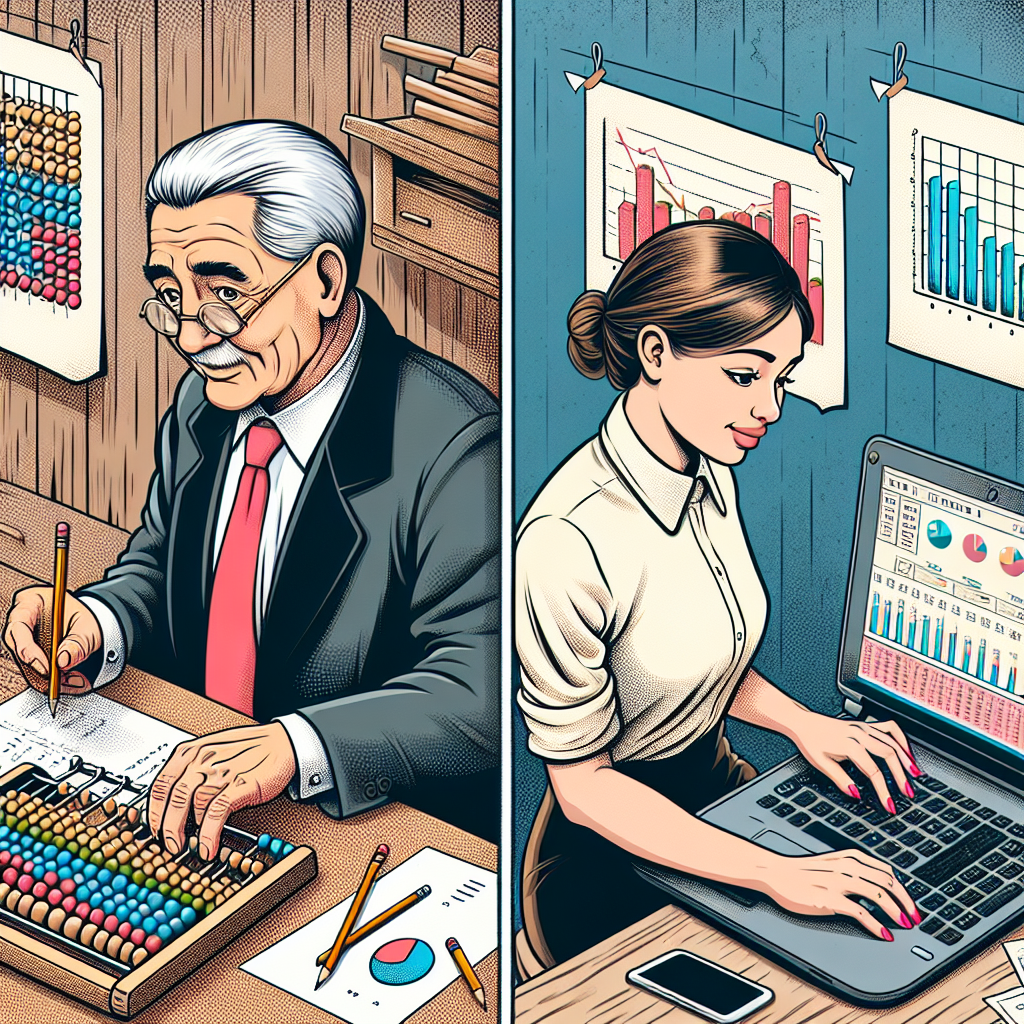
Alright, folks, it’s time to put on our financial detective hats and dive into the nitty-gritty of how sole trader accounting software stacks up against traditional methods. Spoiler alert: one is like a sports car zooming down the highway, while the other is more like a tricycle stuck in traffic!
Cost Comparison Over Time
Let’s talk dollars and cents because, let’s face it, money is what makes the world go round! When you’re a sole trader, every cent counts. Here’s how the costs compare:
| Method | Initial Costs | Ongoing Costs | Total Cost Over 5 Years |
|---|---|---|---|
| Pencil-and-Paper Bookkeeping | $0 (just buy some paper and pencils) | $0 (until you need an accountant) | $0 (but good luck with accuracy!) |
| Spreadsheets | $0-$200 (depending on software) | $0 (if you DIY it) | $200 (but watch out for those errors!) |
| Sole Trader Accounting Software | $10-$50/month (hello subscription fees!) | $120-$600/year (for updates and support) | $1,200 - $3,000 (but think of all that time saved!) |
The takeaway? While traditional methods may seem cheaper upfront, they can cost you dearly in time and potential errors. Investing in small business accounting software pays off as your business grows.
Ease of Use and Learning Curve Considerations
If you’ve ever tried to decipher a complex spreadsheet formula or navigate through piles of receipts, you know that traditional methods can be a headache. Enter self-employed bookkeeping software!
- Sole Trader Accounting Software: User-friendly interfaces make these tools accessible for everyone-no degree in rocket science required!
- Traditional Methods: Pencil-and-paper bookkeeping feels nostalgic until you're knee-deep in receipts; spreadsheets can leave even the most tech-savvy feeling lost.
The learning curve for modern accounting apps is often short and sweet. Many offer tutorials or customer support to help you hit the ground running.
Scalability for Growing Businesses
Your business is growing faster than your morning coffee consumption? You’ll want tools that can grow with you! Traditional methods are like trying to fit a square peg in a round hole when your business starts expanding.
- Sole Trader Accounting Software: Scalable solutions mean as your client base grows, your software can handle increased invoicing and reporting needs without breaking a sweat.
- Traditional Methods: As your workload increases, so does the risk of errors. Plus, good luck managing more complex financials with just a pen and paper!
The bottom line? If you're aiming for growth-and who isn’t?-accounting apps for sole traders will provide the flexibility and features needed to keep up with your expanding empire.
The choice between sole trader accounting software and traditional methods boils down to efficiency versus nostalgia. Sure, there’s comfort in tradition but remember: comfort doesn’t pay the bills! So why not embrace modern solutions that can save time, reduce errors, and help propel your business into new heights?
Challenges Faced by Sole Traders with Each Method
So, you’re a sole trader, and you’re trying to decide between sole trader accounting software and traditional methods. But hold your horses! Before you make that leap, let’s dig into the challenges each method brings to the table. Spoiler alert: both have their fair share of hurdles!
Pitfalls of Relying on Traditional Methods
Ah, the nostalgia of pencil-and-paper bookkeeping. While it may feel like a cozy blanket from your childhood, it can quickly turn into a suffocating shroud of chaos when it comes to managing your finances. Here are some challenges you might face:
- Human Error: Mistakes happen. A misplaced decimal or an incorrectly entered figure can lead to financial nightmares. It's like playing a game of Jenga-one wrong move and everything comes crashing down!
- Time-Consuming: If you enjoy spending hours reconciling bank statements or sifting through piles of receipts, then traditional methods are>
- Learning Curve: Not all software is created equal! Some platforms may have complex features that require time and effort to master. It’s like trying to learn how to ride a unicycle while juggling-daunting but not impossible!
- Subscription Costs: While many accounting apps offer affordable pricing options, those monthly fees can add up over time. It’s essential to factor this into your budget-no one wants a surprise bill at the end of the month!
- Data Security Concerns: Storing sensitive financial information online raises valid concerns about data breaches or loss. Make sure you're using reputable software with strong security measures; otherwise, it's like leaving your front door wide open in a busy neighborhood.
- Integration Issues: If you're using multiple tools for different aspects of your business, ensuring they work together seamlessly can sometimes feel like herding cats. Compatibility issues can lead to frustration and
User Experiences: Case Studies and Testimonials
When it comes to choosing between sole trader accounting software and traditional methods, there's no better way to gauge effectiveness than by hearing from those who’ve been in the trenches. Let’s explore some real-life experiences that showcase the transformative power of modern accounting tools!
Case Study 1: Emily, Freelance Graphic Designer
Emily was juggling multiple clients and struggling to keep track of her finances using a combination of spreadsheets and scattered receipts. She decided to switch to self-employed bookkeeping software, specifically Xero. Here’s what she found:
- Time Savings: "I went from spending hours each week on bookkeeping to just 30 minutes! The automated invoicing feature changed my life."
- Error Reduction: "I used to dread tax season because I was always worried about mistakes. Now, I can confidently say my books are accurate!"
- Real-Time Insights: "I can see my cash flow in real-time, which helps me make smarter decisions about taking on new projects."
Case Study 2: James, Sole Trader in Landscaping
James ran his landscaping business using a paper ledger for years until he discovered cloud-based accounting solutions. After implementing MYOB Essentials, he experienced the following:
- Simplified GST Compliance: "The GST reporting feature made tax time a breeze! I never thought compliance could be so straightforward."
- User-Friendly Interface: "Even for someone who isn’t tech-savvy, the platform is intuitive. I was up and running in no time!"
- Expense Tracking: "I love being able to snap photos of receipts with my phone and have them categorized automatically. It’s like having a personal assistant!"
Testimonial: Sarah, Online Retailer
"Switching from traditional methods to accounting apps for sole traders, particularly QuickBooks Online, was a game changer for my online store. The integration with my e-commerce platform means I never have to manually enter sales data again! Plus, the financial reports help me stay on top of my budgeting." - Sarah, Owner of Trendy Threads.
The takeaway? These user experiences highlight that transitioning to sole trader accounting software not only enhances efficiency but also alleviates stress associated with financial management. If you’re still on the fence about making the switch, consider these success stories as your sign!
If you're ready to join Emily, James, and Sarah in the realm of modern accounting solutions, it might just be time to take that leap into digital bookkeeping!
Selecting the Right Approach for Your Business
Choosing between sole trader accounting software and traditional methods is like deciding between a sleek electric car and a trusty old bicycle. Both get you from point A to point B, but one will have you zipping along with style and efficiency while the other leaves you pedaling hard just to keep up!
Assessing Your Needs
The first step in making this decision is to assess your specific needs as a sole trader. Are you managing a handful of clients or juggling multiple projects? If you're in the latter camp, small business accounting software might be your best friend. These tools streamline invoicing, automate expense tracking, and provide real-time financial insights-basically, they’re like having a financial assistant who never takes a coffee break!
- Volume of Transactions: If you're dealing with numerous transactions daily, automated solutions can save you hours.
- Business Complexity: More complex businesses benefit greatly from features like GST compliance and detailed reporting found in tax software for sole traders.
- Your Tech Comfort Level: If spreadsheets make your head spin, then embracing user-friendly bookkeeping tools Australia can ease your anxiety.
Cost Considerations
Next up: let’s talk dollars! While traditional methods may seem cost-effective at first glance (hello, free spreadsheets!), they can lead to hidden expenses down the line-like hiring an accountant or dealing with costly mistakes. Here’s where sole trader accounting software shines:
- Subscription Models: While there’s an upfront cost (think $10-$50/month), this can often be offset by time saved and errors avoided.
- Total Cost of Ownership: Consider ongoing costs over several years; investing in software may save you money long-term compared to traditional methods.
- Pitfalls of DIY Accounting: Remember that time spent wrestling with receipts can translate into lost revenue-time is money!
The bottom line? Investing in self-employed bookkeeping software might seem daunting initially, but it often pays off significantly as your business grows!
User Experience Matters
If you’re not tech-savvy or dread anything that resembles coding, fear not! Many modern accounting apps for sole traders are designed with simplicity in mind. Look for solutions that offer:
- User-Friendly Interfaces: Intuitive designs that don’t require a PhD to navigate.
- Tutorials and Support: Access to resources that help you get started quickly without feeling overwhelmed.
- Mobile Accessibility: Cloud-based options allow you to manage finances on-the-go-perfect for freelancers who are always hustling!
If you're hesitant about making the leap into digital tools because of perceived complexity, remember: the right software can actually simplify things rather than complicate them!
The Final Decision-Making Factors
Your final choice should consider not just current needs but future growth. Will your business expand? Do you plan on taking on more clients or offering new services? If so, opt for scalable solutions that grow alongside your aspirations.
If you're still unsure which path to take, consider trialing several options before committing. Most modern platforms offer free trials-so why not kick the tires before buying?
The takeaway here is simple: whether you choose sole trader accounting software, traditional methods, or a hybrid approach depends on understanding your unique needs as a business owner. So go ahead-get out there and find the solution that fits like a glove!
Conclusion
As we wrap up this epic showdown between sole trader accounting software and traditional methods, it’s clear that the choice you make can significantly impact your business's efficiency, accuracy, and growth potential. If you’re still holding onto those dusty ledgers or battling with spreadsheets, it might be time to consider the digital revolution!
Let’s face it: traditional methods can feel like trying to run a marathon in flip-flops. They might get you to the finish line eventually, but you’ll definitely take longer and encounter more blisters along the way. On the flip side, modern accounting apps for sole traders are designed with your needs in mind-offering features that save time, reduce errors, and provide real-time insights into your financial health.